

Bariatric Surgery Treatments at Urban Hospitals, Hyderabad
Why Bariatric Surgery Matters
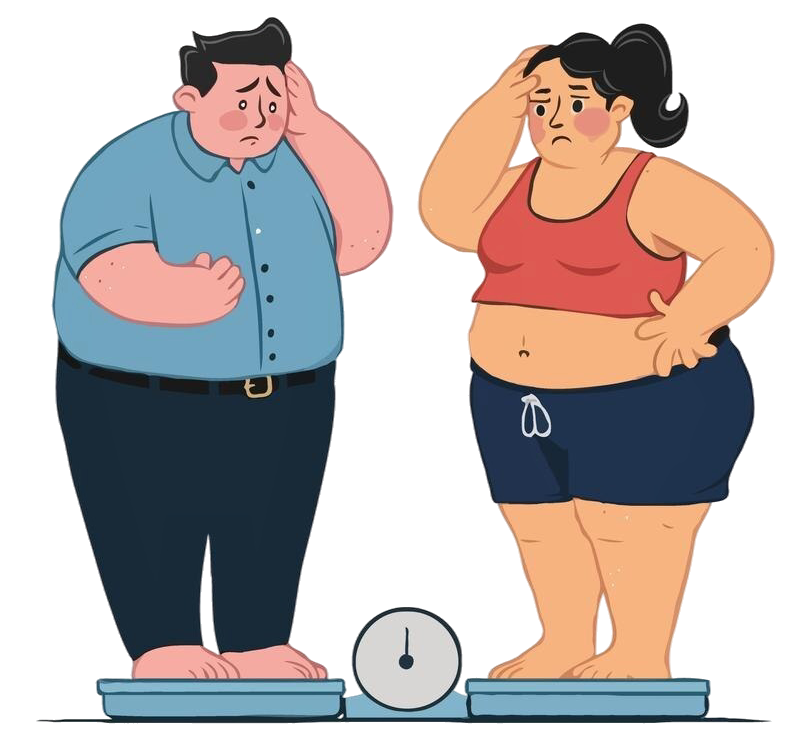
According to the World Health Organization (WHO), obesity is no longer just a cosmetic concern it is a serious, chronic health condition that affects overall well-being and increases the risk of multiple chronic diseases, including diabetes, hypertension, sleep apnea, heart disease, and joint disorders.
At Urban Hospitals, we provide comprehensive bariatric care for patients struggling with morbid obesity, offering advanced surgical options, personalized weight-loss programs, and ongoing multidisciplinary support to achieve long-term health improvements.
Understanding Obesity
Obesity is defined as excessive accumulation of body fat, often measured using Body Mass Index (BMI). A BMI of more than 25 kg/m² is considered overweight, and more than 30 kg/m² is classified as obese. Morbid obesity, with BMI ≥35 kg/m² with related health conditions or BMI ≥40 kg/m², poses significant health risks and often requires surgical intervention when lifestyle measures fail.
Weight Loss Surgery
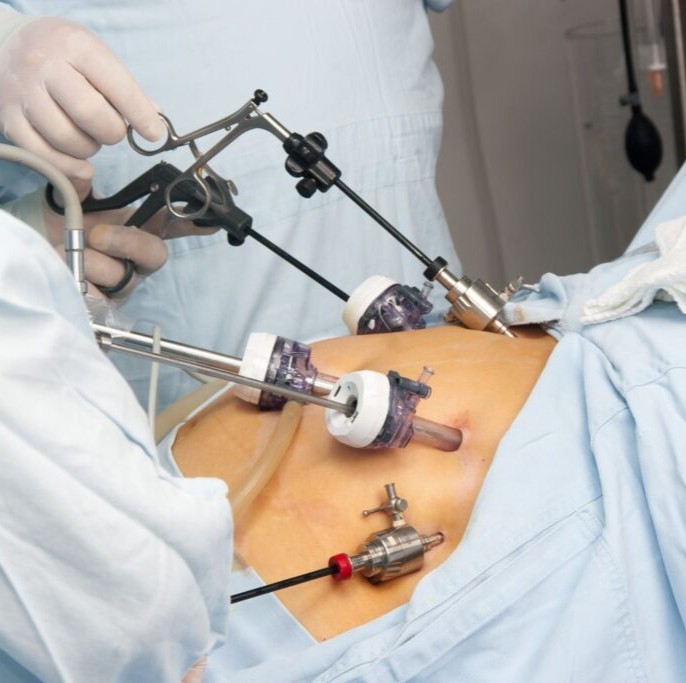
Our bariatric surgeons specialize in advanced minimally invasive procedures, personalized to each patient’s health profile and weight loss goals:
- Laparoscopic Adjustable Gastric Banding (LAGB)
Preview: Places an adjustable band around the upper stomach to create a small pouch, reducing food intake and promoting satiety.
Procedure: A band is connected to a port under the skin its tightness is adjusted by injecting or removing fluid to control gastric emptying.
Benefits: Restricts food intake, promotes gradual weight loss, and preserves nutrient absorption.
Advanced Technology for Bariatric Surgery at Urban Hospitals
Urban Hospitals is equipped with modern surgical facilities that support safe and effective bariatric surgery. Our operation theatres are designed to meet international standards and are supported by advanced laparoscopic and imaging systems. These technologies help our surgeons perform weight-loss procedures with better precision, minimal tissue damage, and faster patient recovery.
Every case is carefully planned, keeping the patient’s overall health, existing medical conditions, and long-term outcomes in mind.
Bariatric Surgery Facilities Available at Urban Hospitals
To support both routine and complex bariatric procedures, Urban Hospitals provides access to the following surgical and diagnostic facilities:
- Robotic-assisted surgery unit
- Advanced laparoscopic surgery systems
- Harmonic scalpel for controlled tissue cutting
- Laparoscopic ultrasonic dissectors
- Surgical staplers used for sleeve gastrectomy and gastric bypass
- Intra-operative ultrasound for real-time guidance
- Endoscopic ultrasound (EUS)
- Endoscopic retrograde cholangiopancreatography (ERCP)
- Cholangioscopy
- Intra-operative and double balloon enteroscopy
- Radiofrequency systems for selected procedures
- Fluoroscopic feeding tube placement
- PET-CT imaging
- USG and CT-guided aspiration and biopsy
- Angioembolisation for solid organ injuries
- Percutaneous transhepatic biliary drainage (PTBD)
- Trans-arterial chemoembolisation (TACE), when required
These facilities allow minimally invasive surgery wherever possible, helping reduce post-operative pain, hospitals stay, and recovery time.
Pre-Surgical Evaluation for Bariatric Surgery
Before surgery, each patient undergoes a detailed medical evaluation. The investigations are selected based on the patient’s weight, age, and associated medical conditions. This helps ensure the procedure is safe and suitable for the individual.
Common Tests Include:
- Complete blood count
- Kidney function tests
- Liver function tests
- Laparoscopic ultrasonic dissectors
- Lipid profile
- Arterial blood gas analysis
- Thyroid function tests
- Hormonal tests such as prolactin and cortisol
- Diabetes-related assessments
- Intra-operative and double balloon enteroscopy
- Pulmonary function tests
- Echocardiogram
- Upper gastrointestinal endoscopy
- USG and CT-guided aspiration and biopsy
- Sleep studies
- Ultrasound of the abdomen
Additional tests may be advised if required for medical optimisation before surgery.
- Laparoscopic Gastric Sleeve Resection (LGSR)
Preview: Removes a portion of the stomach along the major curve, forming a narrow tube.
Procedure: The smaller stomach reduces food capacity and lowers appetite-regulating hormone (ghrelin) levels.
Benefits: Reduces hunger, promotes weight loss, preserves digestion and nutrient absorption.
- Roux-en-Y Gastric Bypass (RYGB)
Preview: Divides the stomach into a small upper pouch and a larger lower pouch, rerouting food directly to the small intestine.
Procedure: The upper pouch restricts food intake; bypassing a portion of the small intestine reduces calorie absorption.
Benefits: Significant weight loss, improved metabolic outcomes, and sustained reduction in obesity-related health risks.
- Biliopancreatic Diversion with Duodenal Switch (BPD/DS)
Preview: Removes a portion of the stomach and reroutes food directly to the distal small intestine.
Procedure: Food mixes with bile and pancreatic juices later in the intestine, limiting calorie absorption while maintaining digestive function.
Benefits: Highly effective for severe obesity, promotes rapid weight loss, and resolves comorbid conditions like diabetes and hypertension.
Book An Appointment
Meet Our Expert Bariatric Team
At urban Hospitals, our cardiac care team consists of some of the best heart specialists in the field. Our doctors are highly skilled in diagnosing and treating various heart conditions using advanced techniques, including minimally invasive procedures. With a commitment to excellence and a patient-centered approach, our team ensures comprehensive care for every individual.
Our strategically located facilities in Hyderabad—Somajiguda, Secunderabad, Malakpet, and Hitec City—ensure easy access to expert heart care. We are dedicated to providing top-tier cardiology services, making specialized heart treatments and consultations available to patients locally and from around the world.

FAQ's
Are there long-term side effects or health considerations after bariatric surgery?
Potential long-term effects include nerve damage, muscle weakness, lymphedema, postoperative cognitive dysfunction (POCD), or breathing complications.
What is the recovery process after bariatric surgery?
Recovery typically involves a gradual transition from liquids to solid foods, regular follow-ups, nutritional monitoring, and lifestyle counseling to ensure safe weight loss and prevent complications.
How much weight can I expect to lose?
Weight loss varies by procedure, initial BMI, and adherence to post-surgery diet and exercise plans. Most patients achieve significant and sustained weight reduction with proper guidance.
What are the potential risks and complications?
As with any surgery, risks include infection, bleeding, gastrointestinal complications, nutritional deficiencies, and anesthesia-related events.
How do different bariatric surgeries differ?
Each surgery varies in approach, invasiveness, and mechanism restrictive (LAGB, sleeve), malabsorptive (BPD/DS), or combined (RYGB). Your surgeon customizes the approach based on your BMI, comorbidities, and long-term goals.