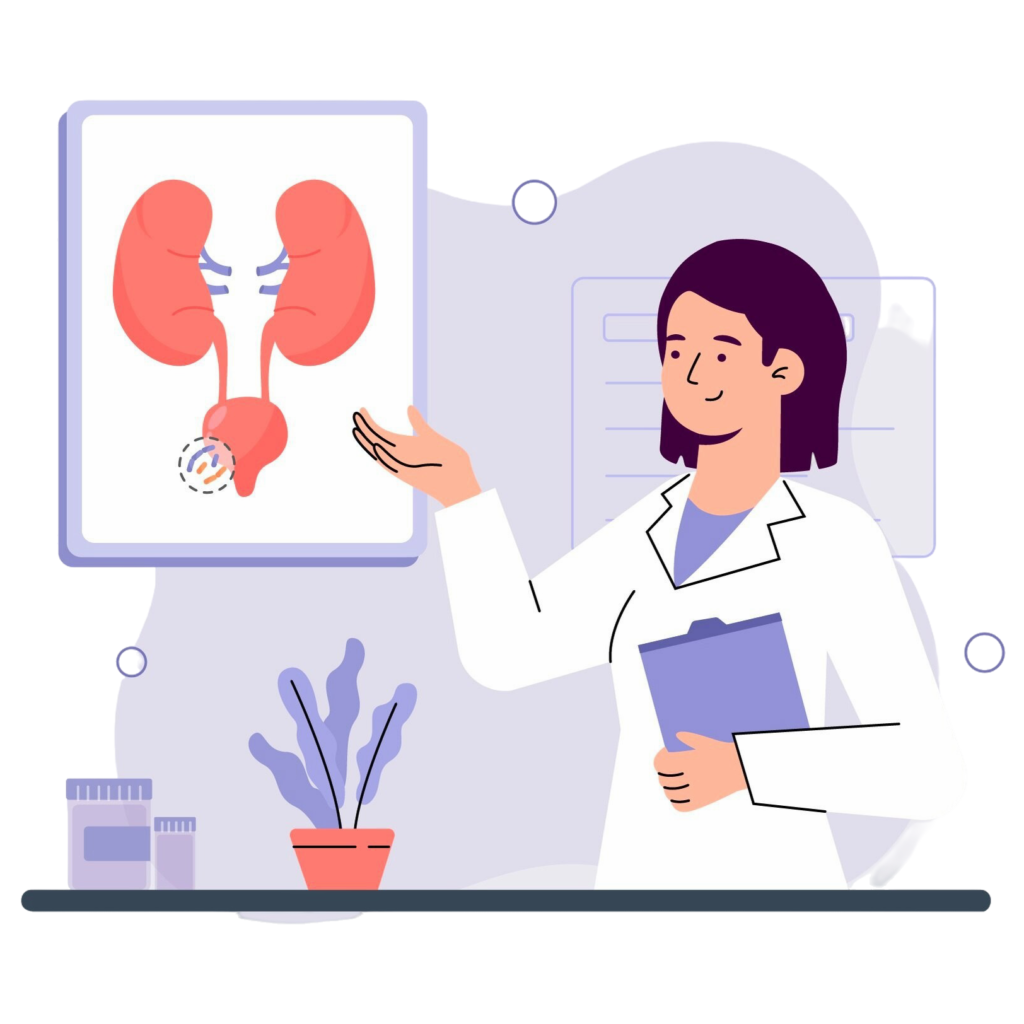



Freedom from Dialysis Restore Your Life with Advanced Kidney Transplant Care
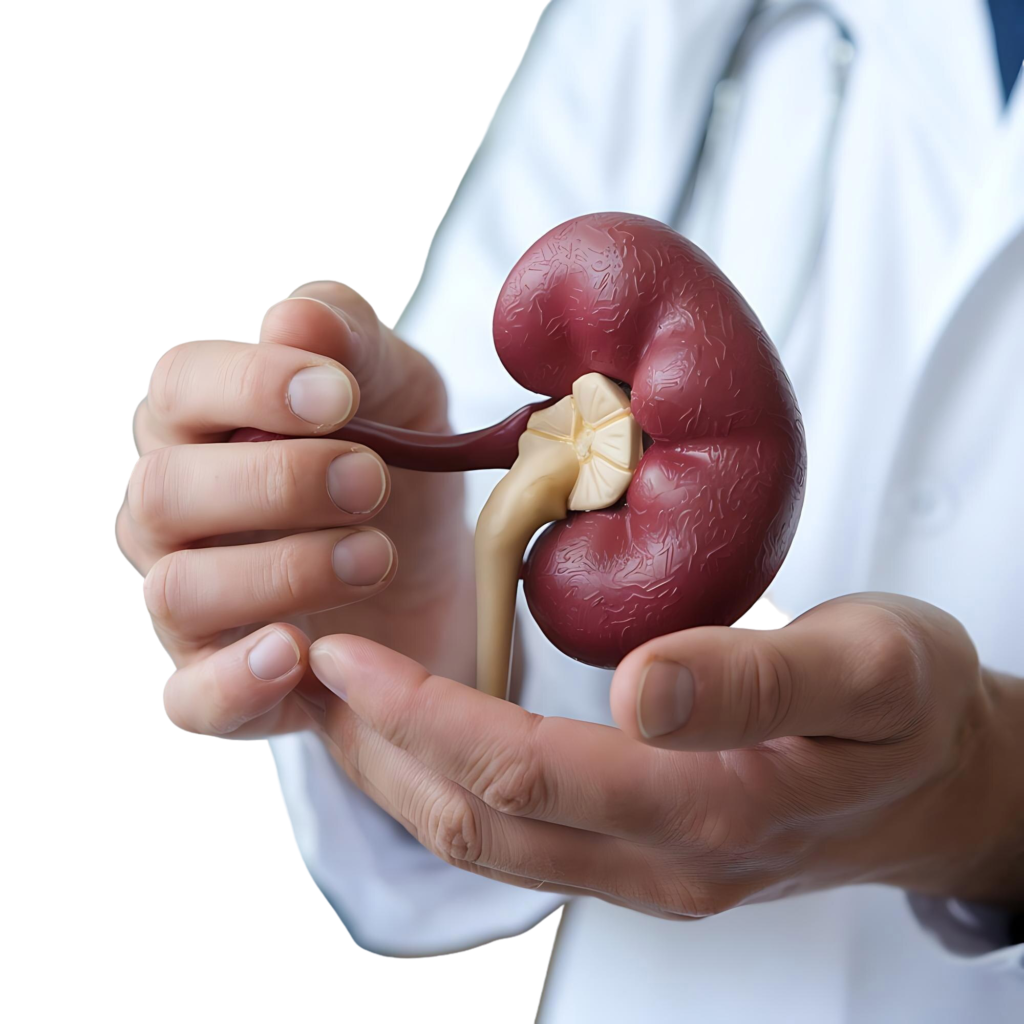
A kidney transplant is a surgical procedure in which a diseased or failing kidney is replaced with a healthy kidney from a living or deceased donor. It is the preferred treatment for end-stage renal disease (ESRD) because it often offers better survival rates, improved quality of life, and greater independence compared to long-term dialysis. Chronic kidney disease (CKD) can progress to ESRD when kidney function falls below 10–15%, leading to dangerous accumulation of toxins, electrolyte imbalances, and life-threatening complications.
Why Kidney Transplant Is Needed
Patients with ESRD may experience symptoms such as severe fatigue, swelling, high blood pressure, nausea, and cognitive changes. Dialysis can maintain life but is physically demanding and impacts lifestyle. Kidney transplantation is the only treatment that restores natural kidney function, allowing patients to regain energy, normal fluid and electrolyte balance, and dietary freedom.
Kidney transplant is especially beneficial for:
- Patients with CKD secondary to diabetes, hypertension, or glomerulonephritis
- Individuals experiencing complications from long-term dialysis, including anemia, bone
- disease, and cardiovascular problems
- Patients seeking improved life expectancy and quality of life
Evaluation and Preparation
- Evaluation includes:
Eligibility for kidney transplant is determined through a comprehensive evaluation by a multidisciplinary team including nephrologists, transplant surgeons, cardiologists, dietitians, psychologists, and social workers.
- Blood tests – to assess kidney function, blood type, and tissue compatibility
- Imaging – ultrasound, CT, or MRI to evaluate kidney anatomy and abdominal blood vessels
- Cardiovascular assessment – ensuring the heart and blood vessels can tolerate surgery
- Infection and immune screening – testing for latent infections and pre-existing antibodies that may affect graft survival
- Psychosocial evaluation – assessing patient readiness, support system, and adherence to post-transplant care
Living donor transplants are often preferred because they reduce waiting time, offer better long-term graft survival, and can be scheduled electively, allowing for optimized patient preparation. Deceased donor transplants follow allocation protocols based on urgency, compatibility, and geographic proximity.
Book An Appointment
The Kidney Transplant Procedure
Surgery typically lasts 3–5 hours under general anesthesia. The donor kidney is usually placed in the lower abdomen, and blood vessels and the ureter are carefully connected to the recipient’s vessels and bladder. Diseased kidneys are often left in place unless they cause infection or obstruction.
Key surgical considerations include:
- Minimizing ischemia time (time the kidney is without blood supply) to improve graft survival
- Careful connection of arteries, veins, and ureters to ensure proper kidney function
- Monitoring urine output immediately after transplantation to assess graft function
Patients then receive conditioning therapy, typically high-dose chemotherapy or radiation, to destroy diseased marrow, suppress the immune system, and make room for the new stem cells.
Post-Transplant Care and Recovery
Recovery after kidney transplant involves both physical and lifestyle adjustments. Patients may stay in hospital for 5–10 days, followed by a structured outpatient follow-up schedule including:
- Immunosuppressive medications – lifelong therapy to prevent organ rejection, typically a combination of corticosteroids, calcineurin inhibitors, and antiproliferative agents
- Laboratory monitoring – regular blood tests to track kidney function, drug levels, and early signs of rejection
- Diet and fluid management – maintaining balanced nutrition and adequate hydration
- Infection prevention – avoiding exposure to pathogens and receiving vaccinations as recommended
Patient education is crucial: adherence to medications, follow-up visits, and lifestyle modifications directly impacts long-term success.
Meet Our Experts
Our hematologists and transplant specialists are experienced in managing complex blood disorders and transplant cases, supported by dedicated nursing and critical care teams focused on patient safety and recovery.

CH CHAKRADHAR REDDY
SR. Orthopeadic Surgeon
MBBS, MS (ORTHOPAEDICS), FIAP (INDIA), FIAS (ITALY)
SUJITKUMAR VAKATI R
SR. Orthopeadic Surgeon
Ms.Ortho , Mch.Ortho A.A.F , S.E.F, AOT, IWC, Dip. In Football Medicine (FIFA)
Long-Term Outcomes and Quality of Life
Kidney transplant significantly enhances both survival and quality of life compared to dialysis. Graft survival rates at experienced centers often exceed 90% at 1 year and 70–80% at 5 years for living donor kidneys. Patients typically experience:
- Increased energy and vitality
- Freedom from dialysis schedules
- Improved appetite and nutrition
- Better cardiovascular and bone health
- Enhanced ability to work, exercise, and participate in daily activities
Despite the benefits, patients must remain vigilant for complications such as:
- Acute or chronic rejection
- Infections due to immunosuppression
- Cardiovascular disease
- Medication side effects (e.g., high blood pressure, diabetes)
With careful monitoring and support from the transplant team, most patients enjoy a near-normal life expectancy and improved daily living.
FAQ's
Who can donate a kidney?
Living donors can donate one kidney and typically live normal, healthy lives post-donation. Deceased donors also provide life-saving organs.
Is dialysis needed after transplant?
Most patients no longer require dialysis if the transplant is successful, though temporary dialysis may be needed immediately after surgery.
What medications are required?
Lifelong immunosuppressive therapy is needed to prevent rejection, with regular monitoring for side effects.
What lifestyle changes are recommended post-transplant?
Balanced diet, adequate hydration, exercise, infection prevention, and adherence to medication schedules are essential.
What are the risks of kidney transplant?
Potential risks include rejection, infection, blood clots, hypertension, diabetes, and complications from surgery or medications.