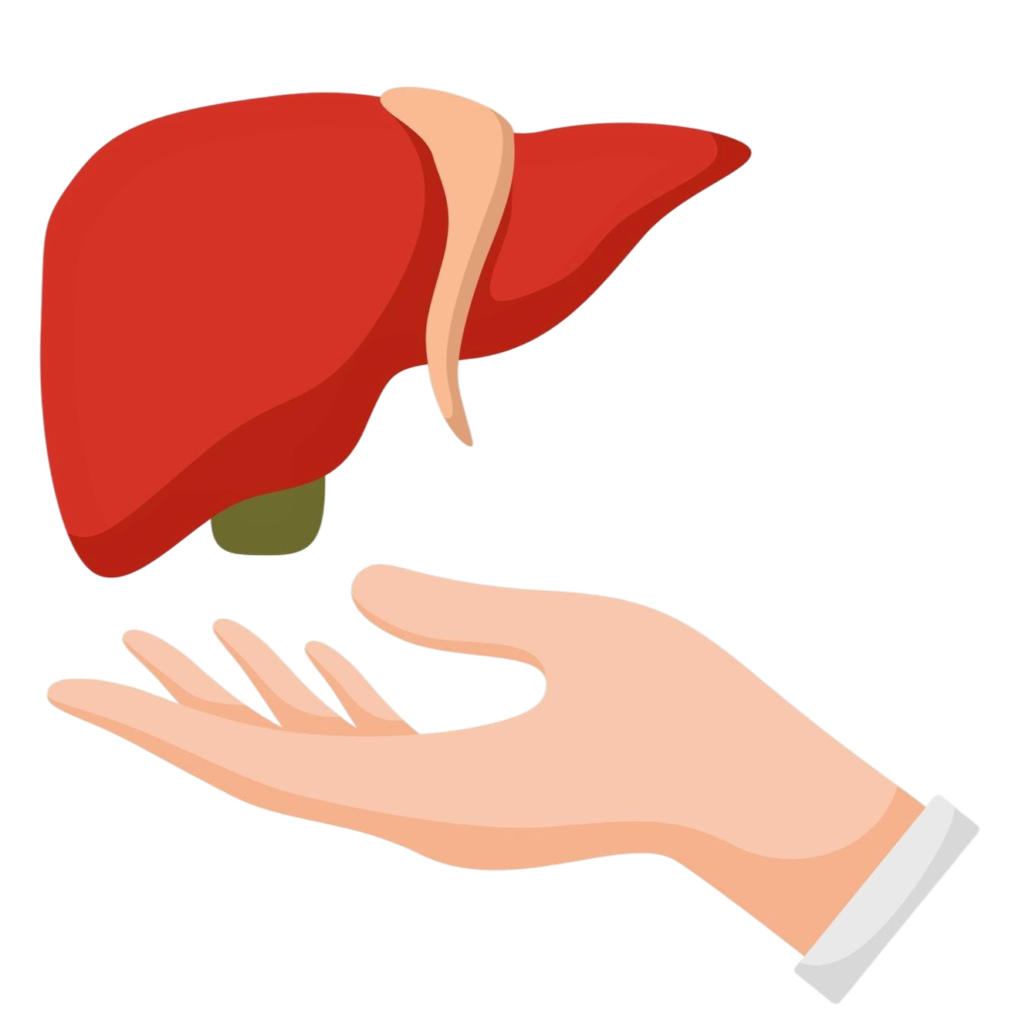



Renew Your Life Expert Liver Transplant Care for End-Stage Liver Disease.
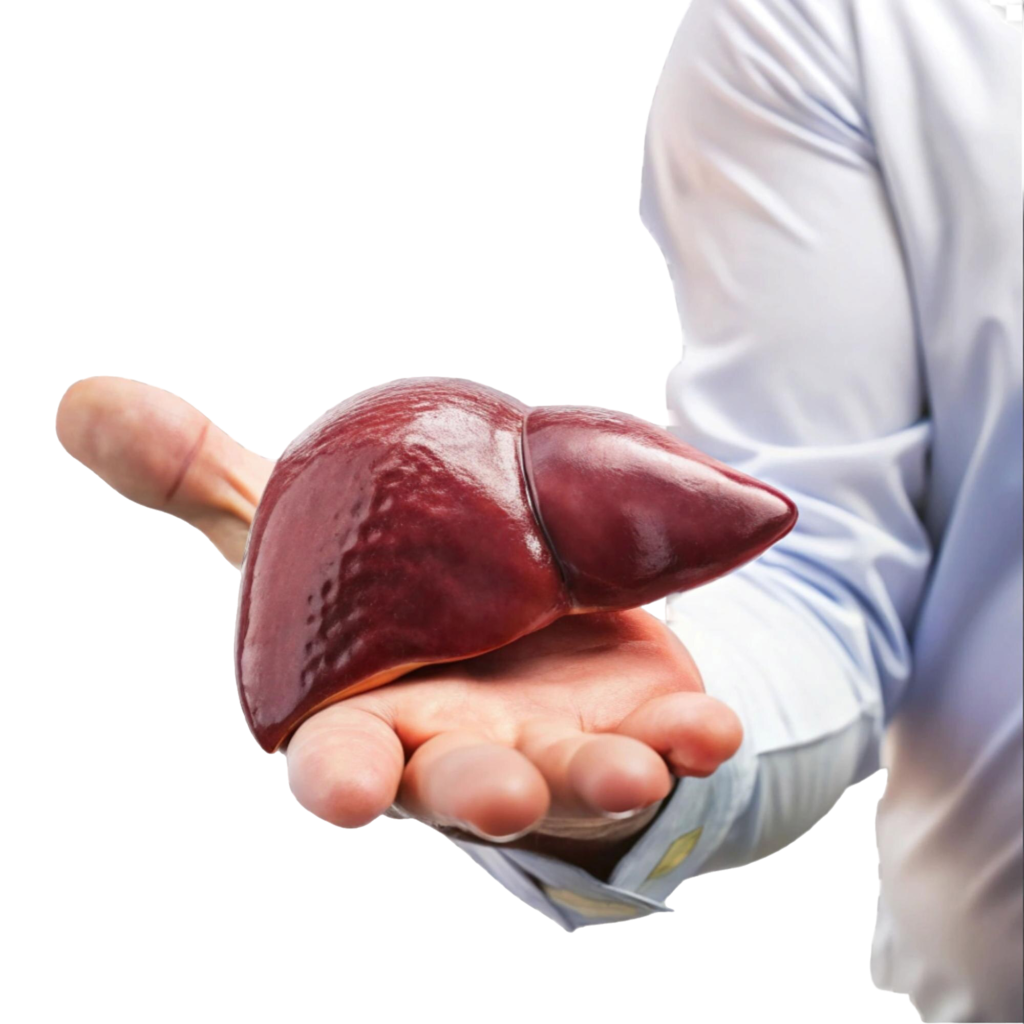
A liver transplant is a surgical procedure in which a diseased liver is replaced with a healthy liver from a living or deceased donor. It is considered the only curative treatment for end-stage liver disease or acute liver failure. Liver transplantation can dramatically improve survival and quality of life for patients suffering from conditions such as cirrhosis, chronic hepatitis B or C, nonalcoholic fatty liver disease (NAFLD/NASH), autoimmune hepatitis, and acute liver failure due to toxins or drugs.
Why Liver Transplant Is Needed
The liver performs essential functions, including detoxification, metabolism, synthesis of clotting factors, and production of bile. When the liver fails, toxins accumulate, clotting is impaired, and life-threatening complications develop. Symptoms of liver failure include:
- Severe fatigue and weakness
- Jaundice (yellowing of skin and eyes)
- Abdominal swelling (ascites)
- Confusion and cognitive impairment (hepatic encephalopathy)
- Easy bruising and bleeding
In cases of end-stage liver disease, medical management can only slow progression, but it cannot reverse liver failure. Liver transplantation is therefore the definitive treatment to restore normal liver function, improve metabolic stability, and extend life expectancy.
Evaluation and Preparation
Liver transplant candidates undergo a thorough evaluation to ensure they are suitable for surgery and to optimize outcomes. This evaluation involves a multidisciplinary team including hepatologists, transplant surgeons, anesthesiologists, infectious disease specialists, dietitians, social workers, and psychologists.
- Evaluation includes:
- Laboratory testing – liver function tests, coagulation studies, kidney function, and viral markers
- Imaging studies – ultrasound, CT, or MRI to assess liver structure and detect complications such as tumors or portal vein thrombosis
- Cardiopulmonary assessment – evaluation of heart and lung function to ensure surgical tolerance
- Infection and immune screening – testing for latent infections, immunity to viruses, and potential donor compatibility
- Psychosocial assessment – determining the patient’s readiness for lifelong medication adherence, support system, and coping mechanisms
Candidates are then assigned a Model for End-Stage Liver Disease (MELD) score, which prioritizes transplant allocation based on the severity of liver disease. Higher MELD scores indicate greater urgency for transplantation.
Book An Appointment
Types of Liver Transplant
Liver transplantation may involve:
- Deceased donor liver transplant – the whole liver is obtained from a brain-dead or deceased individual
- Living donor liver transplant – a portion of a healthy adult’s liver is transplanted; the liver regenerates in both donor and recipient
- Split liver transplant – one donor liver is divided and transplanted into two recipients, usually a child and an adult
Surgical technique involves removing the diseased liver and implanting the donor organ, reconnecting the hepatic artery, portal vein, bile duct, and inferior vena cava. The liver’s ability to regenerate makes partial transplants possible in living donor procedures.
Post-Transplant Care
Recovery after liver transplantation is complex and requires intensive post-operative monitoring. Patients typically spend 1–2 weeks in the hospital, followed by regular outpatient follow-ups. Post-transplant care focuses on:
- Immunosuppressive therapy – lifelong medications to prevent organ rejection
- Infection prevention – vaccinations, hygiene measures, and prophylactic medications
- Nutritional support – high-protein, balanced diet to support healing and liver function
- Lifestyle modifications – avoiding alcohol, smoking, and liver-toxic medications
- Regular monitoring – blood tests, imaging, and liver biopsies to assess graft health and early signs of rejection
With adherence to post-transplant care, patients can regain energy, improve cognitive function, and return to daily activities. Liver function tests typically normalize within weeks, and many patients resume near-normal life within 3–6 months.
Outcomes and Quality of Life
Liver transplantation significantly improves survival in patients with advanced liver disease. According to research, one-year survival exceeds 85%, and five-year survival approaches 70–75% at experienced centers. Long-term quality of life improvements include:
- Freedom from severe fatigue and ascites
- Cognitive clarity and improved mental health
- Ability to engage in work, school, and social activities
- Restoration of normal metabolism and nutrient processing
Despite these benefits, patients must remain vigilant for potential complications, including acute or chronic rejection, infection, biliary complications, and side effects from immunosuppressive medications. Lifelong follow-up and adherence to care protocols are essential to maximize outcomes.
Meet Our Experts
Our hematologists and transplant specialists are experienced in managing complex blood disorders and transplant cases, supported by dedicated nursing and critical care teams focused on patient safety and recovery.

CH CHAKRADHAR REDDY
SR. Orthopeadic Surgeon
MBBS, MS (ORTHOPAEDICS), FIAP (INDIA), FIAS (ITALY)
SUJITKUMAR VAKATI R
SR. Orthopeadic Surgeon
Ms.Ortho , Mch.Ortho A.A.F , S.E.F, AOT, IWC, Dip. In Football Medicine (FIFA)
FAQ's
Who qualifies for a liver transplant?
Patients with irreversible liver failure, life-threatening complications, or acute liver failure despite medical therapy.
Can children receive liver transplants?
Yes, paediatric liver transplantation is performed using either whole or partial livers from living or deceased donors.
Is lifelong medication necessary?
Yes immunosuppressive therapy is required to prevent organ rejection.
What is the recovery timeline?
Hospitalization is typically 1–2 weeks; full functional recovery may take 3–6 months.
What are common complications after liver transplant?
Potential risks include acute or chronic rejection, infections, bile duct complications, and medication side effects.