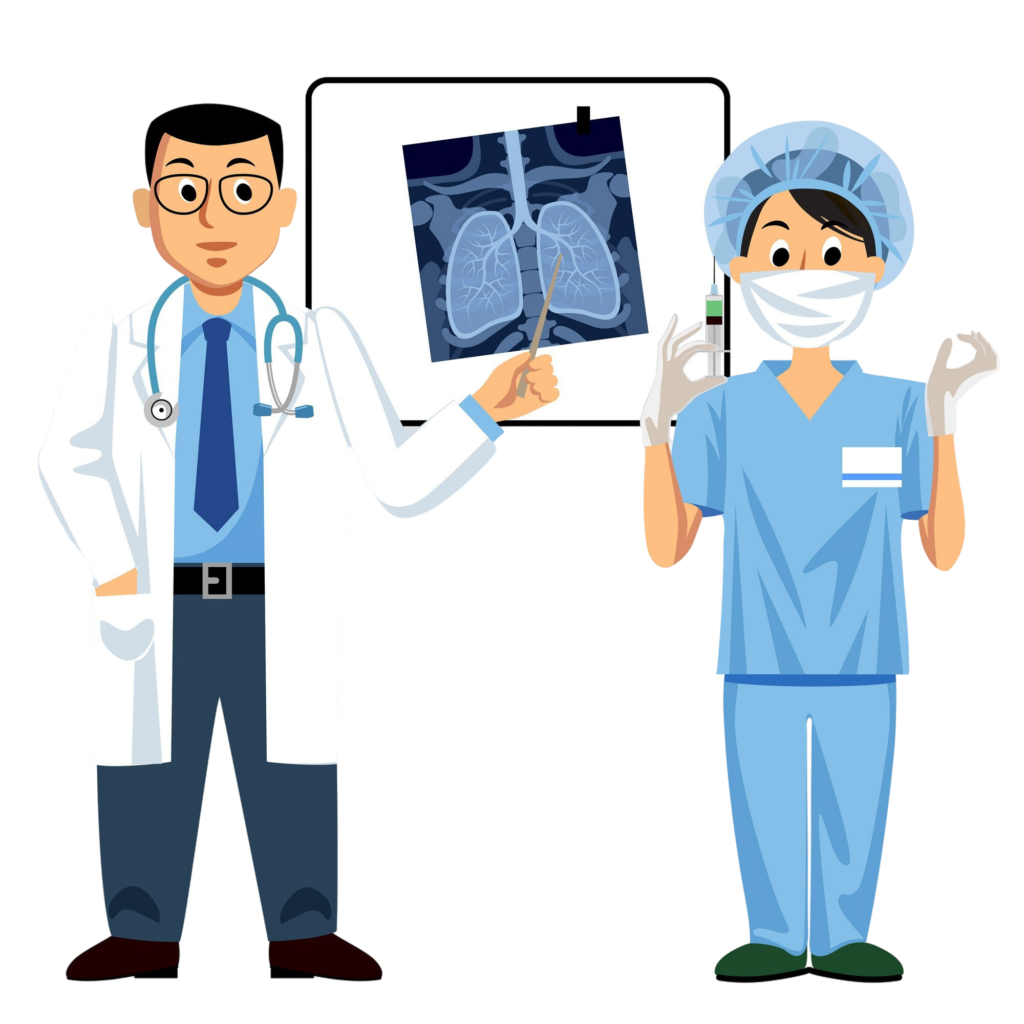


Breathe Freely Again Expert Lung Transplant Care for a Healthier Tomorrow
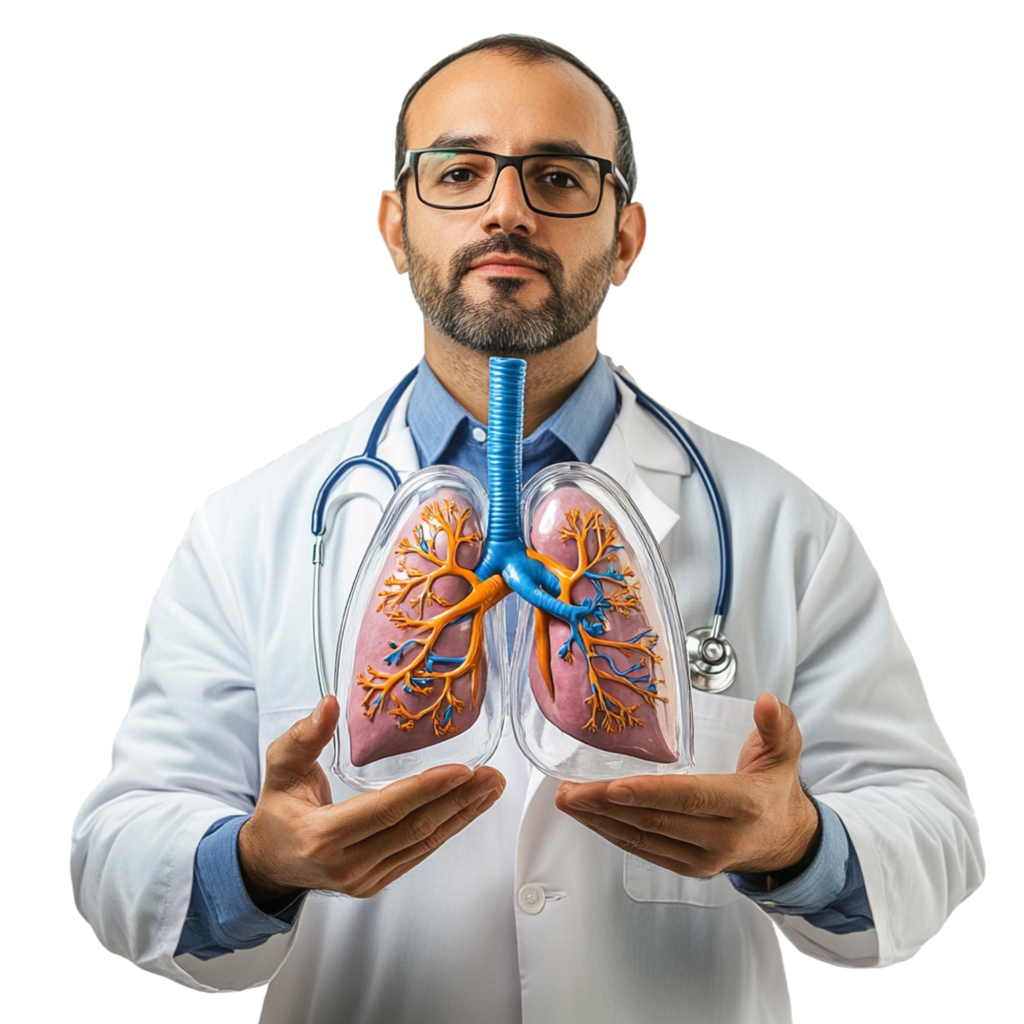
A lung transplant is a critical surgical procedure for patients with end-stage lung disease whose lungs can no longer function adequately despite maximal medical therapy. The goal is to replace diseased lungs with healthy donor lungs, restoring respiratory function, improving oxygenation, and enhancing quality of life. Conditions that may require lung transplantation include chronic obstructive pulmonary disease (COPD), idiopathic pulmonary fibrosis, cystic fibrosis, and pulmonary arterial hypertension.
Indications for Lung Transplant
Lung transplantation is considered when lung disease is progressive and life-limiting, and the patient’s exercise capacity and oxygenation are severely reduced. Common signs that a patient may be a candidate include:
- Persistent shortness of breath even at rest
- Oxygen saturation below safe thresholds
- Pulmonary hypertension unresponsive to therapy
- Frequent hospitalizations for respiratory failure
Patients are typically evaluated at specialized centers that perform lung transplants, ensuring access to multidisciplinary expertise including pulmonology, cardiothoracic surgery, infectious disease, nutrition, and rehabilitation services.
Pre-Transplant Evaluation
The evaluation process is rigorous and includes:
- Pulmonary function tests – to measure lung volumes, airflow, and gas exchange.
- Imaging studies – CT scans and X-rays assess structural damage.
- Cardiopulmonary evaluation – to determine heart-lung interactions and suitability for surgery.
- Infection screening – ensuring there are no uncontrolled infections before immunosuppressive therapy.
- Psychosocial assessment – evaluates patient adherence potential, social support, and readiness for lifestyle changes post-transplant.
Candidates are then placed on a donor waiting list, and organ allocation is determined by urgency, blood type, body size, and immune compatibility.
Book An Appointment
The Lung Transplant Procedure
Surgery may involve single-lung, double-lung, or heart-lung transplantation depending on the disease. The procedure typically lasts 6–12 hours and requires general anesthesia and advanced cardiopulmonary bypass techniques. During the surgery:
- Diseased lung(s) are removed
- Donor lung(s) are implanted
- Major blood vessels and airways are reconnected
- Lung function is immediately assessed intraoperatively
Minimally invasive approaches may be used in select cases to reduce surgical trauma and speed recovery. Advances in organ preservation, surgical technique, and post-operative care have significantly improved outcomes over the last decade.
Post-Transplant Care
Recovery begins in the Intensive Care Unit (ICU), where patients are closely monitored for:
- Respiratory function
- Organ rejection
- Infection
- Bleeding or airway complications
Post-discharge, patients follow a structured rehabilitation program, including respiratory therapy, nutrition guidance, and gradual physical activity. Lifelong immunosuppressive therapy is essential to prevent organ rejection. Patients are also educated on infection prevention, regular monitoring, and adherence to medications.
Studies show that patients who successfully undergo lung transplantation experience significant improvements in breathing, exercise tolerance, and daily activity levels, although chronic rejection (bronchiolitis obliterans syndrome) can occur years after surgery and requires ongoing management.
Outcomes and Quality of Life
Lung transplant survival rates vary depending on age, underlying disease, and post-operative care. Modern centers report 5-year survival rates exceeding 50%, with many patients enjoying a dramatic improvement in quality of life. Post-transplant patients are able to participate in daily activities, return to work, and enjoy more independence compared to pre-transplant limitations.
Meet Our Experts
Our hematologists and transplant specialists are experienced in managing complex blood disorders and transplant cases, supported by dedicated nursing and critical care teams focused on patient safety and recovery.

CH CHAKRADHAR REDDY
SR. Orthopeadic Surgeon
MBBS, MS (ORTHOPAEDICS), FIAP (INDIA), FIAS (ITALY)
SUJITKUMAR VAKATI R
SR. Orthopeadic Surgeon
Ms.Ortho , Mch.Ortho A.A.F , S.E.F, AOT, IWC, Dip. In Football Medicine (FIFA)
FAQ's
Who is eligible for lung transplant?
Individuals with end-stage lung disease who have exhausted all medical therapies.
Can only one lung be transplanted?
Yes depending on disease type and patient’s overall health.
How long is hospital recovery?
Typically 2–3 weeks in hospital; full rehabilitation may take 3–6 months.
Are there lifelong medications?
Yes immunosuppressive therapy is required to prevent organ rejection.
What complications can occur?
Rejection, infections, chronic lung allograft dysfunction, and medication side effects.