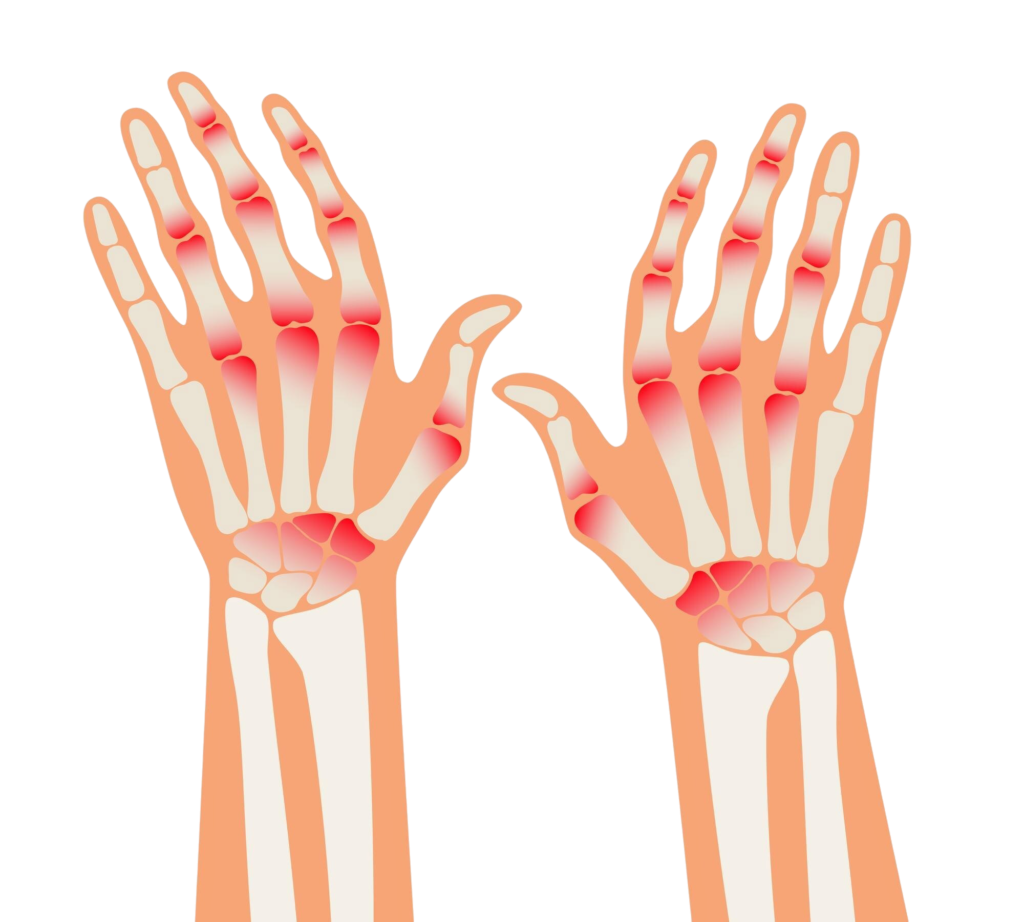


Healing Joints
Restoring Lives with Expert Rheumatology Care
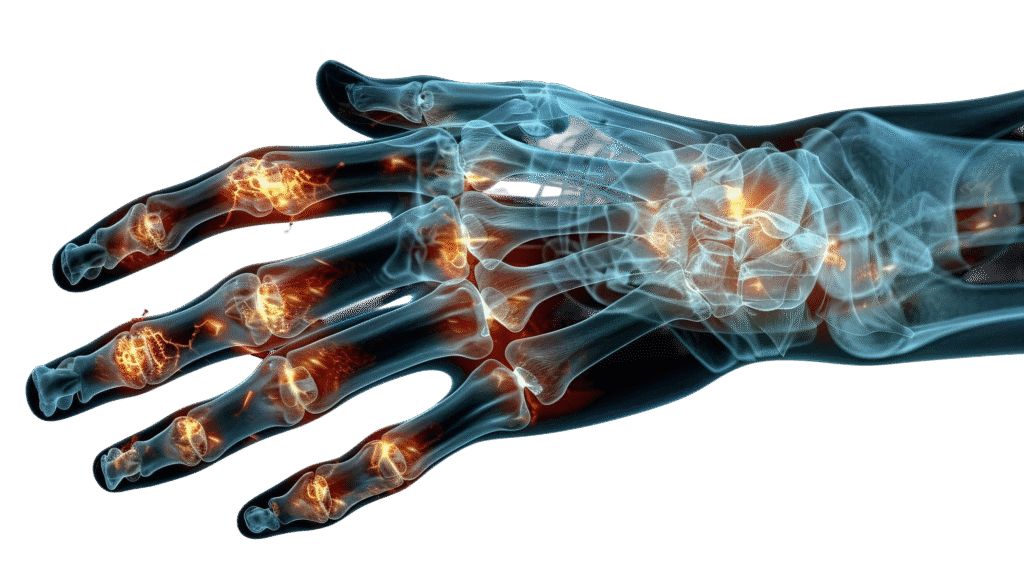
At Urban Hospitals, our Rheumatology department specializes in diagnosing, treating, and managing disorders of the joints, muscles, bones, and connective tissues. Our goal is to help patients reduce pain, restore mobility, and prevent long-term joint damage.
We combine clinical expertise, advanced diagnostics, and personalized care to manage conditions ranging from arthritis and autoimmune disorders to complex connective tissue diseases. Our team works closely with orthopedic surgeons, physiotherapists, and pain specialists to ensure a comprehensive, multidisciplinary approach to every patient.
Our Rheumatology Experts
Our team consists of board-certified rheumatologists and clinical specialists with extensive experience in managing autoimmune, inflammatory, and degenerative joint disorders. They focus on precision diagnosis, individualized treatment plans, and long-term management strategies, ensuring each patient receives the best possible care.
Conditions & Disorders We Treat
- Rheumatoid Arthritis
- Osteoarthritis
- Gout & Hyperuricemia
- Ankylosing Spondylitis
- Systemic Lupus Erythematosus (SLE)
- Scleroderma & Vasculitis
- Psoriatic Arthritis
- Juvenile Arthritis
- Fibromyalgia
- Osteoporosis & Metabolic Bone Disorders
- Autoimmune Myopathies
- Connective Tissue Disorders
Treatments & Procedures
Medication Management:
- Immunosuppressants, corticosteroids, DMARDs, and biologics for autoimmune and inflammatory disorders.
Joint Injections & Aspiration:
- Corticosteroid or hyaluronic acid injections for pain relief and mobility restoration.
Biologic Therapy:
- Advanced treatment options for refractory autoimmune and inflammatory conditions.
Physiotherapy Integration:
- Tailored exercise programs to improve joint function and reduce stiffness.
Pain Management:
- Multimodal strategies including pharmacological and interventional therapies.
Bone Health Optimization:
- Monitoring and treatment of osteoporosis and fracture prevention.
Each therapy is carefully monitored to maximize benefits, reduce complications, and improve quality of life.
Book An Appointment
Technology & Facilities
Urban Hospitals Rheumatology department is equipped with cutting-edge diagnostic and therapeutic tools, including:
- Advanced MRI and Ultrasound for joint and soft tissue imaging
- Dual-energy X-ray absorptiometry (DEXA) for bone density assessment
- State-of-the-art laboratory support for autoimmune and inflammatory markers
- Ultrasound-guided joint injections for precise therapy delivery
Our technology ensures accurate diagnosis, targeted treatment, and enhanced patient outcomes.
Meet Our Experts
Our rheumatologists combine clinical expertise with compassionate care, guiding patients through diagnosis, treatment, and long-term disease management with personalized plans and ongoing support.

SUJITKUMAR VAKATI R
SR. Orthopeadic Surgeon
Ms.Ortho , Mch.Ortho A.A.F , S.E.F, AOT, IWC, Dip. In Football Medicine (FIFA)
Why Choose Urban Hospitals for Hematology & BMT?
Structured, Protocol-Driven Care
- Every patient is treated based on validated clinical pathways and disease-specific protocols.
Dedicated Transplant Infrastructure
- Specialized transplant units designed for safety and recovery.
Multidisciplinary Expertise
- Hematologists, transplant physicians, ICU teams, and support services work in unison.
Continuum of Care
- From diagnosis to transplant and long-term follow-up, care is coordinated under one roof.
FAQ's
What is Rheumatology?
Rheumatology is the medical specialty focused on joint, muscle, bone, and autoimmune connective tissue disorders.
Do Rheumatology patients require surgery?
Most conditions are managed medically, but in cases of severe joint damage, collaboration with orthopedics may be required for surgical intervention.
Are biologics safe for long-term use?
Biologics are carefully monitored medications prescribed when conventional treatments fail. Regular follow-up ensures safety and effectiveness.
How can lifestyle affect rheumatology conditions?
Balanced diet, regular exercise, and weight management play a critical role in reducing symptoms and slowing disease progression.
How often should I visit a rheumatologist?
Visit frequency depends on the severity and type of condition. Initial treatment may require frequent visits, gradually reducing as the patient stabilizes.